
Training
Why LNC Professional gel products Are TPO Free, and Why That Matters Now
When LNC Professional Guyana, the manager of LNC Professional Caricom, launched the distribution of LNC Professional products ac…
Read article
Published 2025-04-21 · 5 min read · By Lexann McPhoy
Nail techs think products don't matter. They're wrong. I discovered this shocking truth when a client told me her previous technician claimed only application matters, not product quality. This dangerous myth costs our industry over 35 million Guyanese dollars yearly and puts countless clients at risk.
Let me be clear. Product quality absolutely matters in nail care. The belief that cheap products work just as well as professional ones isn't just false. It's dangerous.
I've seen the alarming consequences firsthand. Untrained technicians use highly scented, industry-banned acrylic products that burn skin, trigger allergies, and ruin the service outcome. These practices destroy client trust in our local beauty market.
The damage goes beyond individual clients. Our entire nail industry suffers. Without formal certification, Guyanese nail technicians miss opportunities to work with high-value clients. They can't break into the hotel industry or serve corporate employees. The economic impact is staggering.
The Multi-Million Dollar Gap
Our nail industry loses over thirty-five million dollars annually due to untrained technicians. Think about that number for a moment. Thirty-five million dollars. Gone.
What opportunities are we missing? Advanced eco-friendly certification programs. In-salon retail sales. Specialty nail art services. On-demand mobile offerings. Corporate partnerships. Instructor positions. Master classes. The list goes on.
These aren't just fancy extras. They're essential revenue streams that remain untapped because our industry lacks professional standards.
Salon owners feel this pain acutely. They struggle to find quality nail technicians. Many applicants claim expertise but fail basic skills tests. Their knowledge often stops at whatever single product they've used before.
Most concerning? These technicians frequently rely on low-quality products that look glossy but lead to infections. The consequences are serious.
The Scale Problem
Salon owners can't grow their businesses without skilled staff. And contrary to what you might think, the issue isn't about pay. It's about finding properly trained professionals who understand both technique and product chemistry.
This skill gap prevents business scaling. It limits growth. It caps potential. All because we lack formal training pathways for nail technicians.
So what would proper training look like? If I were designing a program from scratch, I'd focus on three essential components.
First, product chemistry. Technicians must understand what chemicals they're applying to clients' hands and how these substances affect skin and nails.
Second, application techniques. This includes proper methods, avoiding common challenges, and knowing when to advise clients against services that might harm them.
Third, business management. Technicians need to understand how to maximize profits, both for themselves and salon owners. This creates win-win relationships that benefit everyone.
The Resistance Factor
Surprisingly, the biggest obstacle to establishing formal training comes from nail technicians themselves. The challenge is primarily economic.
Many technicians don't grasp the value of professional certification. We live in the YouTube era, where self-help videos promise quick skills. Why invest time in formal training when you can watch tutorials and start earning immediately?
This short-term thinking creates long-term problems. We must educate technicians about how formal training accelerates professional growth and earning potential. The investment pays dividends.
The resistance isn't just hurting individual careers. It's impacting our national economy during a crucial growth period.
The Bigger Economic Picture
I'm just one private sector member pushing for improvement. But I see how nail technician training connects to Guyana's broader economic development.
Consider this. If an oil company needs approximately 700 new expats for our oil and gas sector alone. If 300 bring families, that's potentially 600-700 new clients needing manicures and pedicures.
These experienced professionals expect world-class service. They don't want to attend work or functions with unkempt hands. They demand quality.
Our service industry must train nail technicians and other professionals to close this skill gap. Not everyone can work in oil and gas. But the earning potential spillover from that sector is significant.
By upgrading skills and meeting market demand, nail technicians can earn more and contribute to our national economic base. This supports Guyana's rapid growth across all sectors.
The Path Forward
The solution starts with education. Nail technicians need to understand that formal training isn't just about technical skills. It's about building a sustainable, profitable career.
Salon owners must invest in staff development rather than just hiring whoever's available. Industry associations should establish certification standards that align with international best practices.
Government agencies could support this effort through targeted vocational programs. Educational institutions might partner with established professionals to create relevant curricula.
The investment would pay for itself many times over. Improved service quality leads to higher prices. Better client retention increases lifetime value. New market segments become accessible. The economic benefits multiply.
Taking Action Now
We can't wait for someone else to solve this problem. Each stakeholder must take responsibility for improving our industry standards.
Nail technicians should seek out proper training, even if it means temporarily reducing client hours. The long-term benefits far outweigh short-term income loss.
Salon owners should create clear skill requirements and invest in staff development. This might include bringing in certified trainers or establishing in-house education programs.
Industry associations need to develop certification standards and promote their value to both professionals and clients. Public education campaigns could help consumers understand why trained technicians deliver better results.
Together, we can transform Guyana's nail industry from an informal, unregulated sector into a professional field that contributes significantly to our economy.
The opportunity is clear. Formal nail technician training isn't just about pretty nails. It's about economic growth, professional standards, and untapped business potential. It's about building a service industry that supports Guyana's development across all sectors.
The multi million dollar question is, will we seize this opportunity or let it slip through our fingers? together we can end the multi million dollar nail technician crisis.
About the Author
Lexann McPhoy is a distinguished nail technician and educator based in Guyana, known for her expertise in bespoke nail art and sustainable beauty practices. She is the Managing Director of LNC Professional Guyana and founder of Lexann’s Nail Creations, a premier nail salon specializing in eco-friendly manicures and pedicures. As a Regional Nail Technician Educator for NSI, Lexann leads masterclasses across the Caribbean, promoting innovative techniques and green nail products that align with global safety and environmental standards. Her work empowers beauty professionals and elevates industry standards through education and eco-conscious solutions.
When LNC Professional Guyana, the manager of LNC Professional Caricom, launched the distribution of LNC Professional products ac…
Read article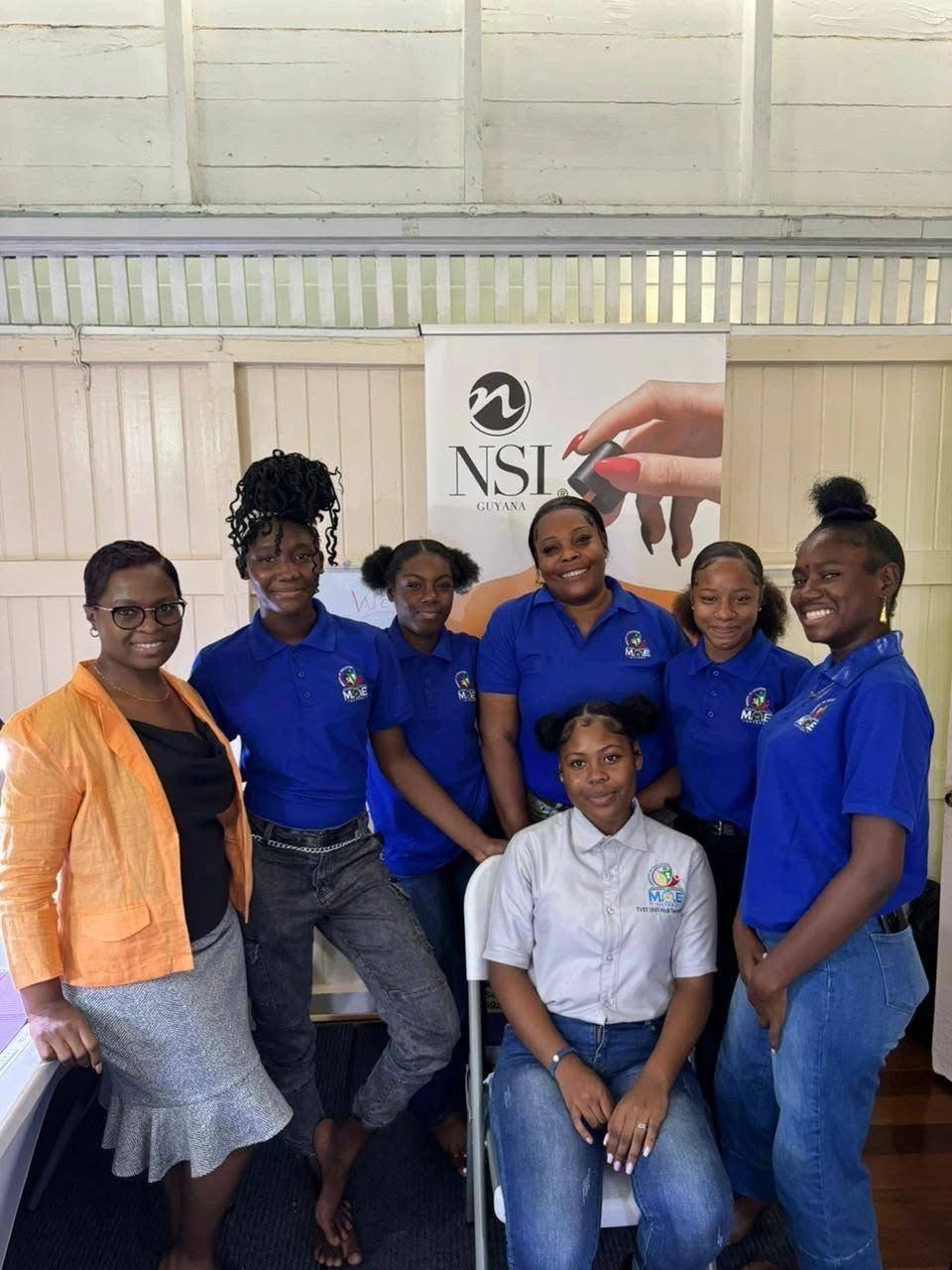
LNC Professional Guyana and the Ministry of Education have partnered to launch a groundbreaking TVET nail technology training pr…
Read article
Why Independent Nail Technicians Transform Growing Beauty Businesses…
Read article